TL;DR
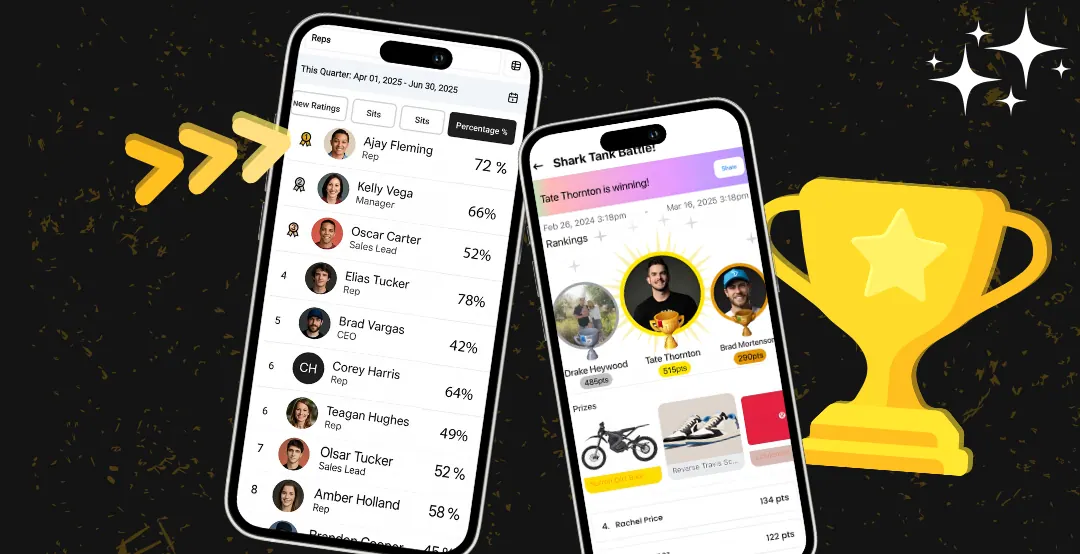
Sales leaderboards drive performance through visibility, competition, recognition, accountability, and by identifying coaching opportunities.
TL;DR
Sales leaderboards drive performance by making metrics visible, creating healthy competition, enabling recognition, identifying coaching opportunities, and fostering accountability.
Beyond Gaming: Leaderboards in Sales
When most people think of leaderboards, they think of video games. But in sales, leaderboards are powerful tools that tap into fundamental human psychology to drive results.
Seven Ways Sales Teams Use Leaderboards
1. Drive Performance Through Visibility
What gets measured gets managed. Leaderboards make performance visible:
- Daily, weekly, and monthly standings
- Multiple metrics tracked simultaneously
- Real-time updates as activity happens
- Historical comparisons
2. Create Healthy Competition
Competition brings out the best in top performers:
- Strive to reach #1 position
- Compete with peers at similar levels
- Chase personal bests
- Team vs. team matchups
3. Enable Recognition
Recognition is often more motivating than money:
- Public acknowledgment of top performers
- Celebrate milestones and achievements
- Highlight consistent improvement
- Share wins in team chat
4. Identify Coaching Opportunities
Leaderboards surface where help is needed:
- Spot struggling reps early
- Identify skill gaps by metric
- Provide targeted coaching
- Track coaching impact
5. Foster Accountability
Public metrics create natural accountability:
- No hiding from your numbers
- Team members hold each other up
- Managers have conversation starters
- Goals become commitments
6. Support Goal Setting
Use leaderboard data for realistic goals:
- Benchmark against top performers
- Set stretch goals based on potential
- Track progress against targets
- Celebrate goal achievement
7. Power Competitions
Leaderboards make competitions possible:
- Track competition standings
- Award prizes based on rankings
- Create bracket-style tournaments
- Enable team competitions
Types of Leaderboards
Activity Leaderboards
Track leading indicators:
- Doors knocked
- Calls made
- Demos given
- Follow-ups completed
Results Leaderboards
Track lagging indicators:
- Revenue closed
- Deals won
- Conversion rates
- Customer retention
Improvement Leaderboards
Track growth:
- Week-over-week improvement
- Personal best achievements
- Skill development milestones
- Ramp progress for new reps
Team Leaderboards
Track collective performance:
- Office vs. office
- Team vs. team
- Region vs. region
- Shift vs. shift
Best Practices for Sales Leaderboards
Do:
- ✅ Track multiple metrics to prevent gaming
- ✅ Segment by experience level for fairness
- ✅ Refresh frequently (real-time is best)
- ✅ Celebrate more than just the top spot
- ✅ Connect to meaningful rewards
Don't:
- ❌ Create winner-take-all that demotivates the middle
- ❌ Only track results (include activities)
- ❌ Ignore the data for coaching
- ❌ Let it become a source of shame
- ❌ Gamify metrics that encourage bad behavior
Implementing Leaderboards
RepCard's leaderboards are designed with sales teams in mind:
- Multiple metrics and timeframes
- Segmentation by role or experience
- Real-time updates
- Integration with competitions
- Mobile-friendly for field teams
The Psychology Behind Leaderboards
Leaderboards tap into:
- Social comparison: We naturally compare ourselves to others
- Achievement motivation: We want to see progress and reach goals
- Status seeking: Recognition matters to most people
- Loss aversion: We don't want to slip in rankings
Used correctly, these forces drive significant performance improvement.
Start Using Leaderboards Today
Whether you're a team of 5 or 500, leaderboards can transform your sales culture. The transparency, competition, and recognition they provide are proven to drive results.
Key Takeaways
- 1Leaderboards make performance visible
- 2Healthy competition drives improvement
- 3Recognition motivates more than money
- 4Use for coaching and accountability
- 5Track activities and results together
Frequently Asked Questions
Sales leaderboards drive performance, create healthy competition, enable recognition, identify coaching opportunities, foster accountability, support goal setting, and power competitions.
Yes, leaderboards improve sales performance by making metrics visible, tapping into competitive motivation, and providing recognition. Studies show gamification can increase productivity by up to 40%.
Sales leaderboards should track both activities (calls, demos, doors knocked) and results (revenue, deals closed, conversion rates). Tracking multiple metrics prevents gaming and provides a complete picture.
Related RepCard Features
Related Articles

Gamification & Leaderboards Masterclass
Transform your sales floor into an arena of healthy competition. Learn how to implement gamification that motivates without burning out your team.
Read more
Employee Recognition & Incentive Trips
Cash bonuses are forgettable. Learn how to design recognition programs and incentive trips that create lasting motivation and unforgettable experiences.
Read more